
When the Storm Is Over but the Body Still Remembers Sarah didn’t think she had trauma. The difficult season of her life was long over. The crisis had passed. On the outside, everything looked fine—she was functioning, working, taking care of others. Yet years later, she found herself feeling constantly on edge. Sleep was lightContinue reading “Trauma Fallouts: How Trauma Shows Up in Our Lives”
Tag Archives: healing
Understanding Trauma: What It Is — and What It Isn’t

The word trauma is used commonly today. We talk about being “traumatized” by stressful jobs, relationship breakups, difficult childhoods, or even awkward social moments like standing in a long queue for coffee. While emotional pain is real and deserves care, not every painful experience qualifies as trauma. Trauma involves a nervous system response to an overwhelming eventContinue reading “Understanding Trauma: What It Is — and What It Isn’t”
Interview with Lin Yip (Sacred Steps Retreat)
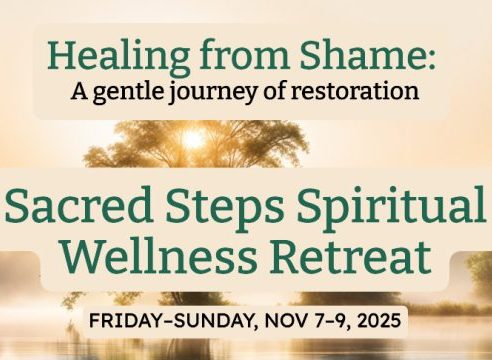
An interview with Lin, a teacher and participant of Sacred Steps: Healing from Shame. Sacred Steps is a spiritual retreat designed to help individuals develop an emotionally healthy sense of self through biblical wisdom and experiential mental‑wellbeing tools.
Emotional Fault Lines: How Hidden Wounds Can Shatter Our Growth, Goals, and Vision

We all have them: those sensitive spots, those hidden wounds that cause us to overreact or shut down in certain situations. Maya was a high-performing manager with big dreams. She worked hard, set ambitious goals, and seemed unstoppable—until a simple piece of feedback from her boss sent her spiraling. One comment about her “needing toContinue reading “Emotional Fault Lines: How Hidden Wounds Can Shatter Our Growth, Goals, and Vision”
Breaking the Bonds: How Relational Trauma Fuels the Addiction Cycle

Sarah grew up in a home where emotions were unpredictable. Her mother’s moods shifted without warning—laughter could dissolve into silence, warmth into withdrawal, and light conversation into sudden anger. Sarah learned to stay small, to stay quiet, and to believe that her presence was a problem. As an adult, she felt invisible, insecure and empty.Continue reading “Breaking the Bonds: How Relational Trauma Fuels the Addiction Cycle”
More than a Buzzword: What “Trauma-Informed Practice” Really Means

You’ve probably heard the word trauma-informed popping up a lot—on websites, in trainings, or in program descriptions. But sometimes it’s used so loosely that it just sounds like another buzzword. At its core, being trauma-informed means truly understanding how past hurts and overwhelming experiences affect people—and making sure we respond in ways that bring healing, not moreContinue reading “More than a Buzzword: What “Trauma-Informed Practice” Really Means”
The Power of Self-Compassion

While we often extend compassion and kindness to others, we find it challenging to offer the same to ourselves. In our own times of suffering or pain, we can become our harshest critics. Instead of kindness, we bombard ourselves with negative thoughts: “You are not good enough,” “You are a loser,” “Nobody likes you,” “See, I told you, you are a mistake and a failure.” These self-condemnations are deeply painful.
 New Vision Counselling and Consultancy